Monk fruit allulose blend is the latest monk fruit blend to hit the market. What exactly is monk fruit sweetener with allulose? And why is monk fruit without erythritol, or rather, monk fruit sweetener without erythritol trending now?
Try monk fruit allulose in sugar free cherry pie filling.
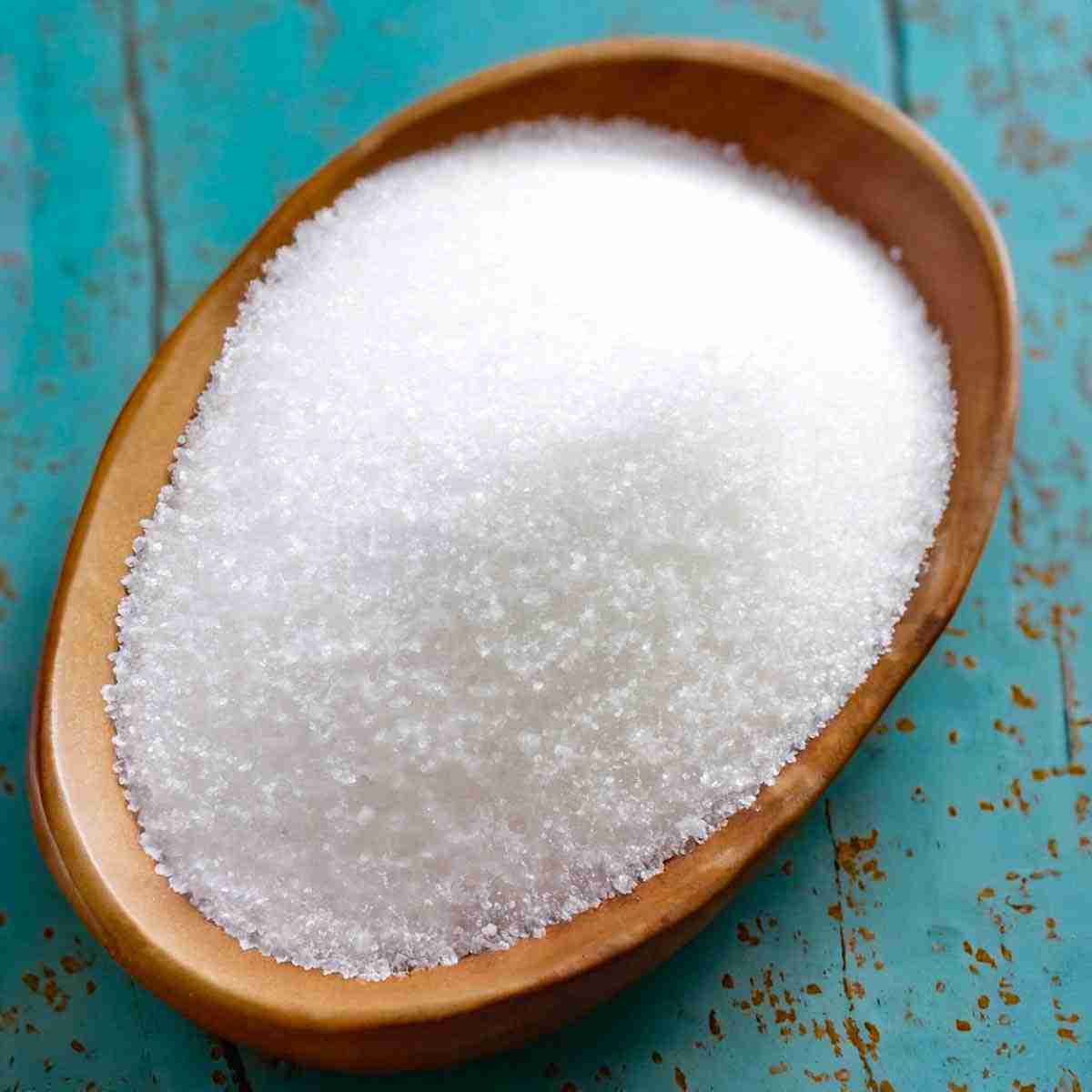
Monk Fruit Sweetener Is the Perfect Sugar Substitute and Monk Fruit Allulose Blend Is the One to Buy
Pure monk fruit is too sweet to be a one to one sugar replacement, so monk fruit brands cut it with another sweetener.
Monk fruit was initially cut with erythritol, a synthetic sweetener. But high blood levels of erythritol have recently been linked to increased risk of heart attack and stroke.
As a result, monk fruit producers now also make monk fruit without erythritol and blend it with allulose which has no known health risks.
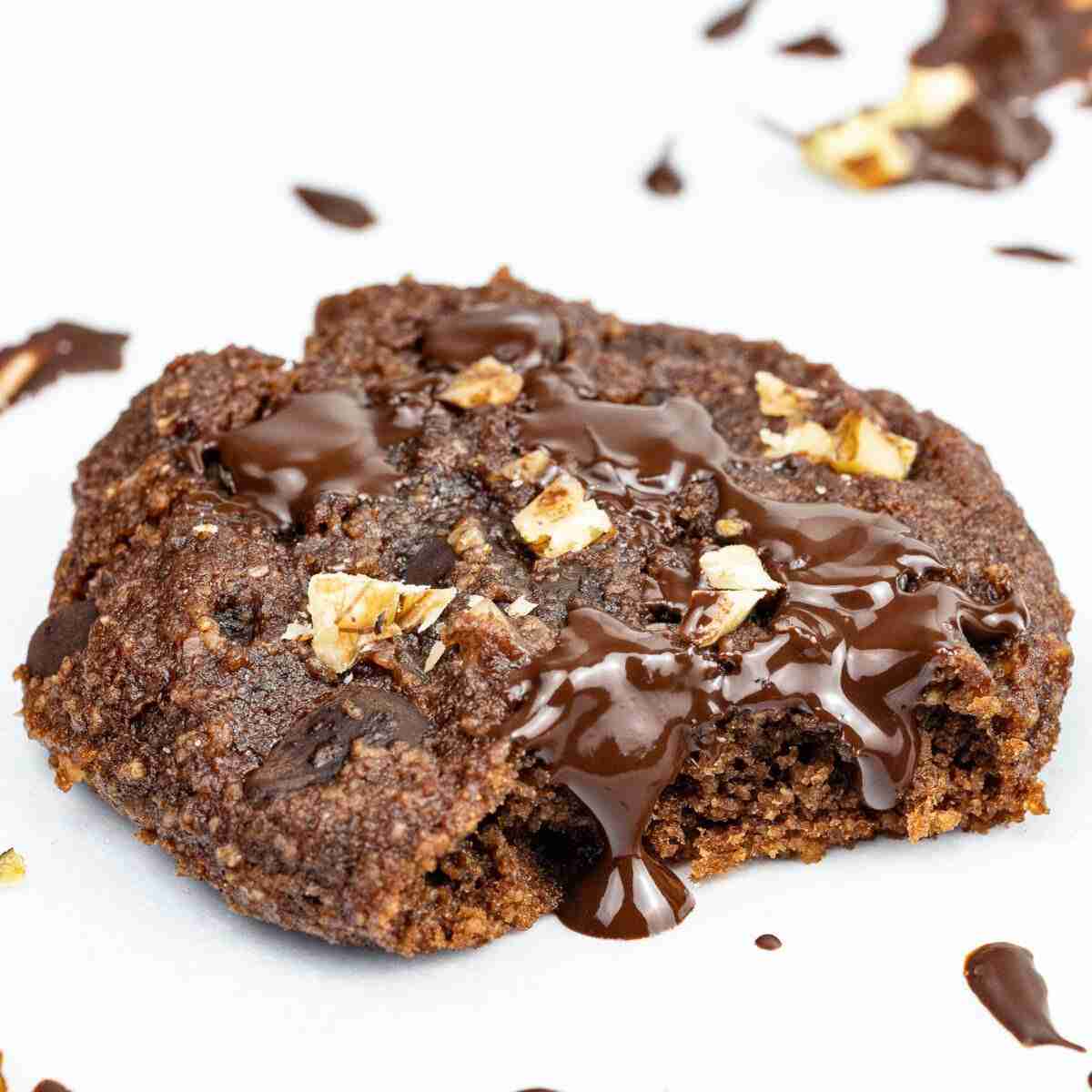
Sugar free keto chocolate chip walnut cookies sweetened with monk fruit allulose blend.
What Is Allulose?
With no known health risks, allulose is a sweetener in the sugar family with a chemical structure similar to fructose. It is a naturally occurring sugar found in a variety of sweet fruits such as figs, raisins and maple syrup.
While allulose comes from the sugar family, the body doesn’t metabolize it the way it metabolizes sugar.
So Why Not Simply Buy Allulose?
You can buy pure allulose but it’s about 70% as sweet as sugar, so it’s not a one to one sugar replacement.
That has one major disadvantage: You need to use a lot of it. At least, that’s what I learned recently when I tried to sweeten a cake with allulose. I ultimately ended up adding monk fruit allulose blend to get the sweetness level right.
What Exactly Is Monk Fruit?
Monk fruit is derived from a small green gourd found in southern China and northern Thailand.
Also known as luo han guo and siraitia grosvenorii, monk fruit contains natural compounds called mogrosides, which give it its intense sweetness without any bitter aftertaste.
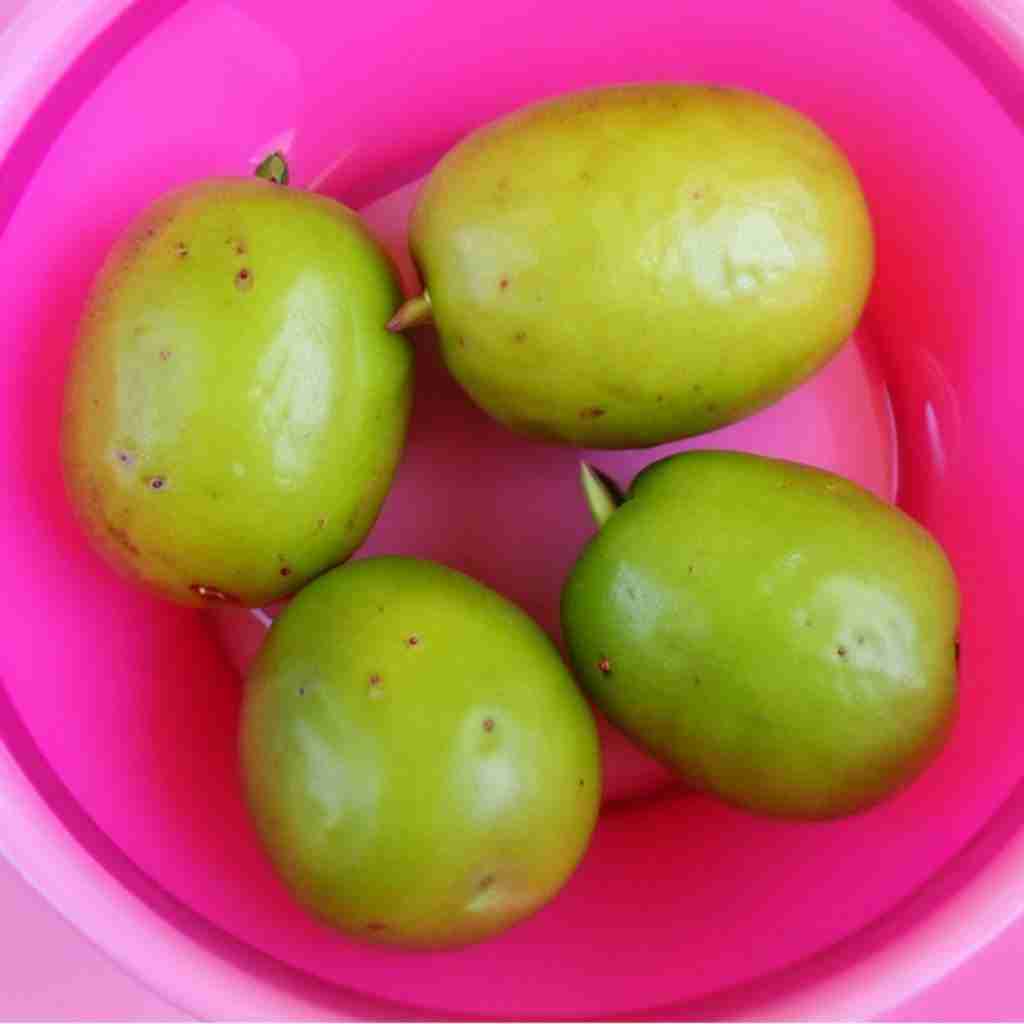
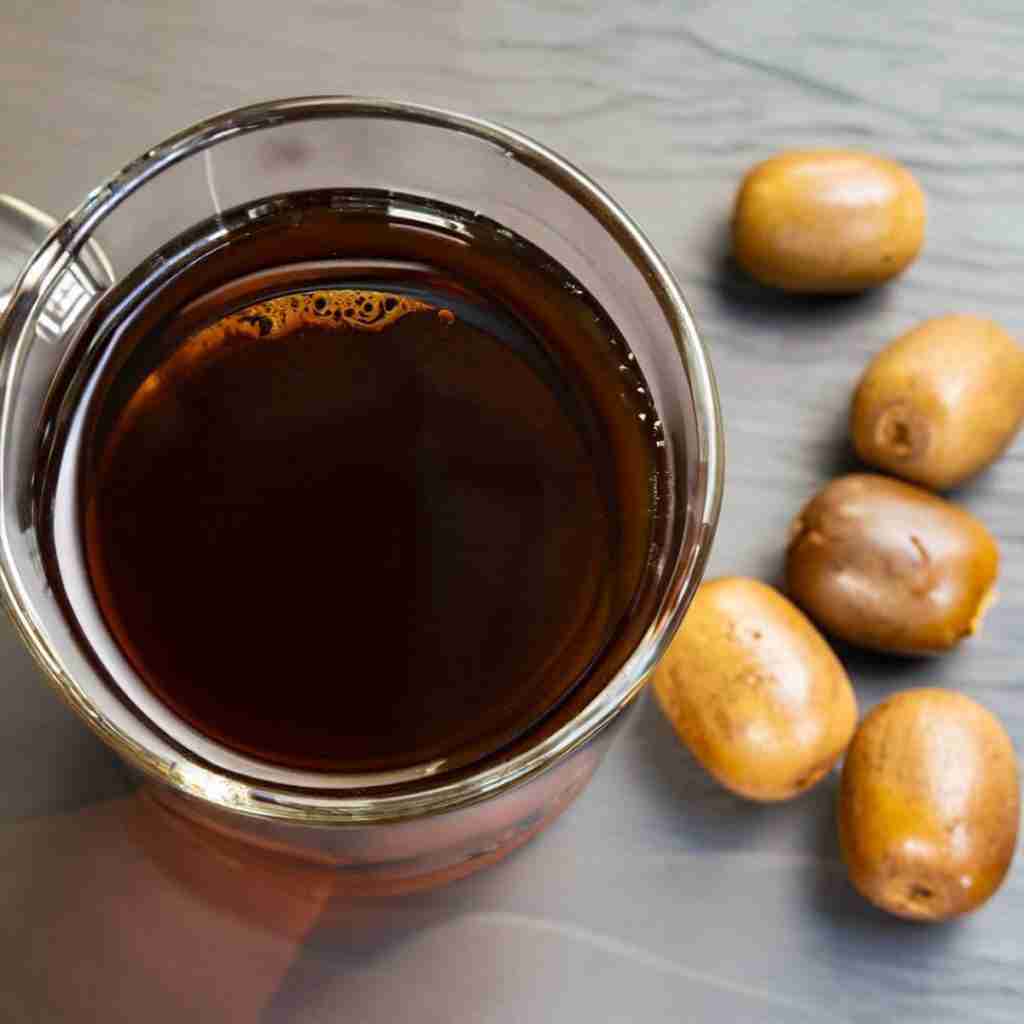
Photo: Fresh monk fruit is a green fruit the size of an egg. Dried, it’s brown and looks like a kiwi but is as fragile as an egg.
What Are the Health Benefits of Monk Fruit?
Monk fruit isn’t just sweet. It’s also rich in vitamin C and antioxidants, including mogrosides, which give it its intense sweetness.
Monk fruit has ZERO calories so it’s a great option for healthy diets.
The monk fruit glycemic index is ZERO, so it doesn’t cause a rapid spike in blood sugar levels. That makes monk fruit diabetic-friendly and suitable for people watching their blood sugar levels.
Monk Fruit without Erythritol Is a WINNER FOR BAKING
Using monk fruit allulose blend in your baking and cooking is a win-win situation. Since it doesn’t contain erythritol, it’s a safe one to one sugar replacement that satisfies your sweet tooth while avoiding the potential health risks associated with excessive sugar consumption.
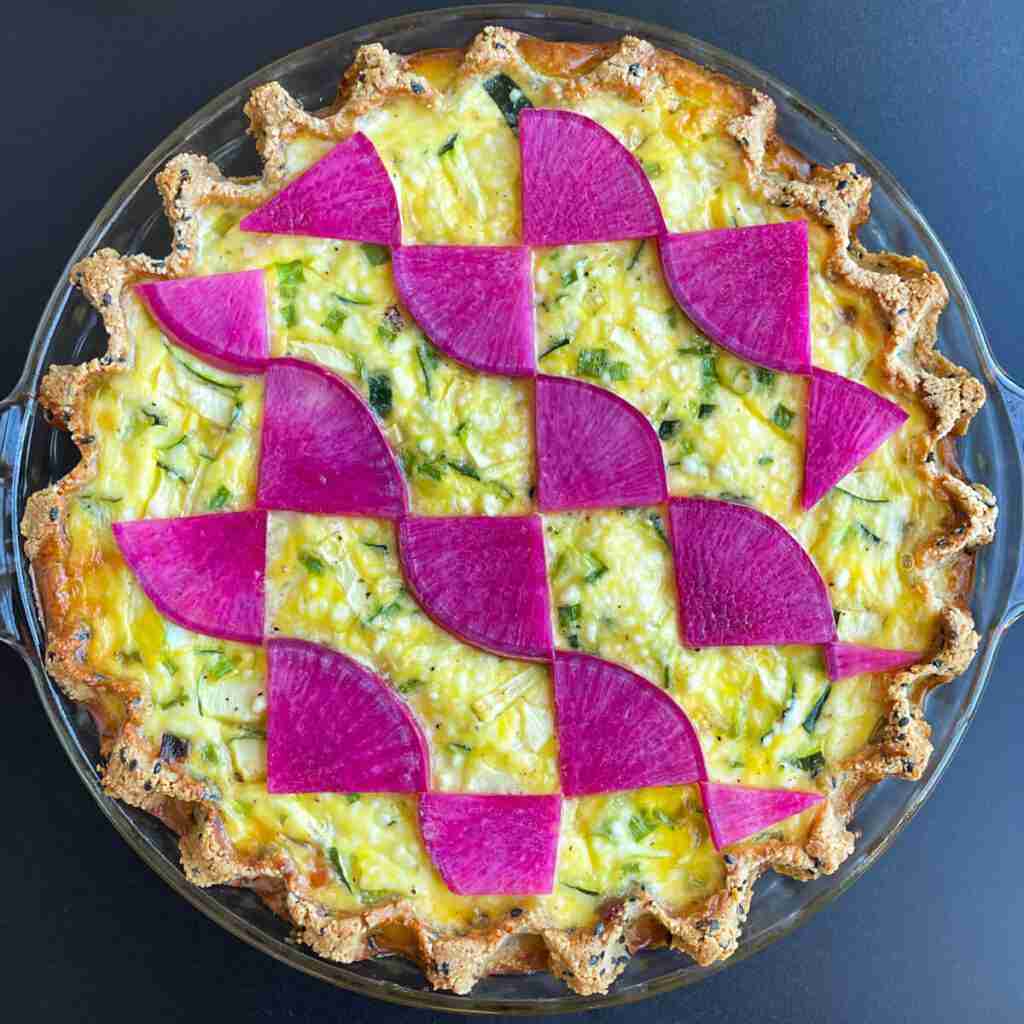
This delicious Salmon Teriyaki Keto Quiche is the ultimate Japanese-French fusion pie. Paired with a slightly crunchy, black-sesame, almond flour pie crust, the salmon and sugar free teriyaki sauce meld perfectly with the flavors of France.
Monk Fruit Allulose Blend DESSERT RECIPES
Armed with monk fruit allulose blend sweetener as your secret ingredient, the possibilities for guilt-free baking are endless. You can start with these delicious monk fruit recipes:
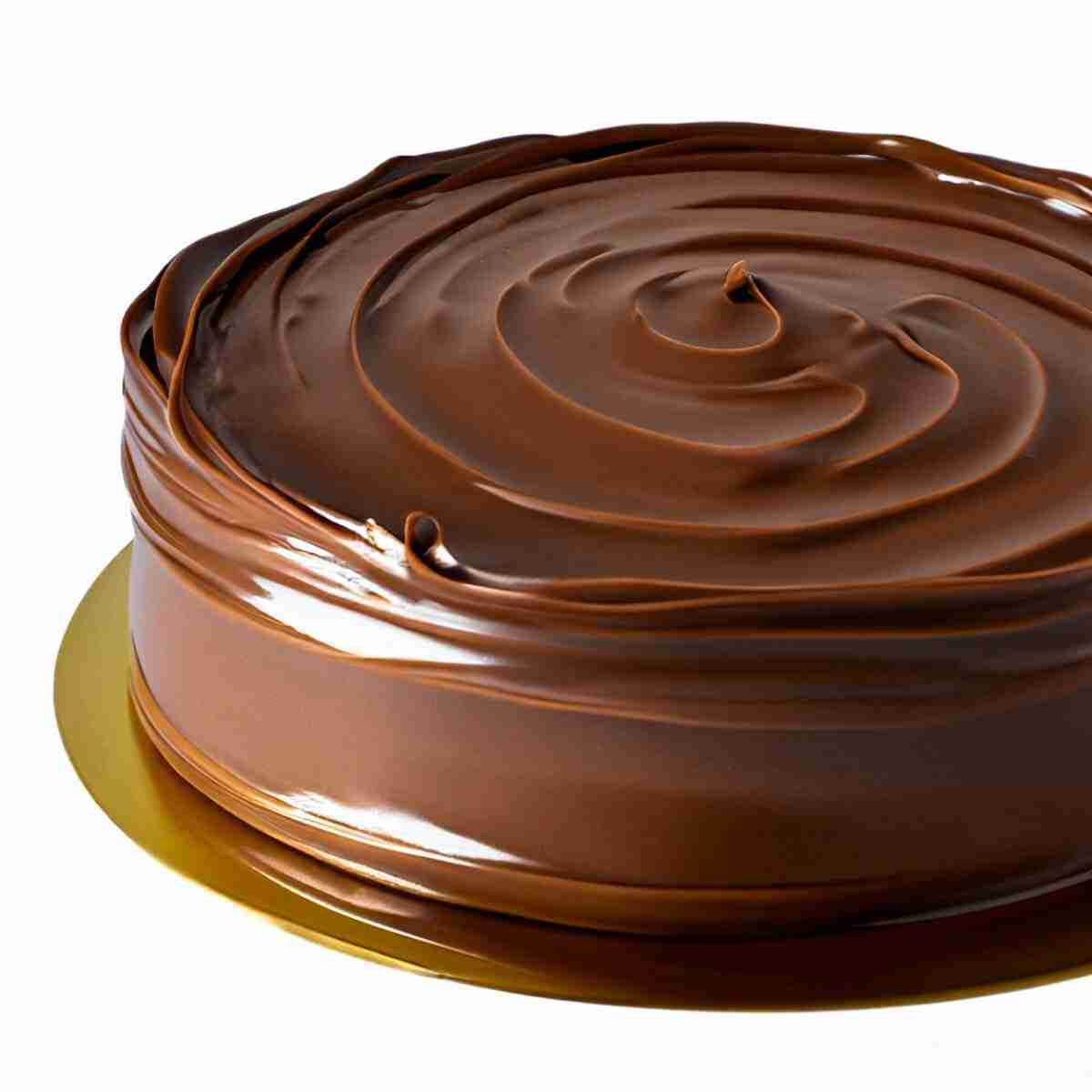
- Chocolate Keto Bundt Cake: Easy, delicious low carb chocolate cake sweetened with monk fruit.
- Monk Fruit Zucchini Protein Muffins: Start your day off right with these healthy and flavorful muffins. The sweetness of monk fruit perfectly complements the refreshing muffins.
- Monk Fruit Milk Jello: Enjoy Mexican milk jello sweetened with monk fruit. Haven’t tried milk jello before? You’re in for a big treat.
- Keto Orange Indian Spice Cake: Sweetened with monk fruit, this is an easy, healthy cake recipe.
Sugar free keto chocolate avocado frosting sweetened with monk fruit allulose blend.
Monk Fruit Sweetener without Erythritol vs. Other Sugar Substitutes
When it comes to sugar substitutes in general, monk fruit stands out from the crowd. Unlike artificial sweeteners such as aspartame or saccharin, monk fruit is a natural sweetener derived from a fruit.
It does not contain any artificial additives or chemicals, making it a healthier choice for those looking to reduce their sugar intake.
Monk Fruit without Erythritol vs. Stevia
Stevia contains erythritol, which is linked to heart attack and stroke.
Apart from that, stevia has a slightly bitter aftertaste.
Monk fruit sweetener, on the other hand, tastes like sugar and doesn’t have a bitter aftertaste, so monk fruit sweetener is a better 1:1 sugar substitute for cooking and baking.
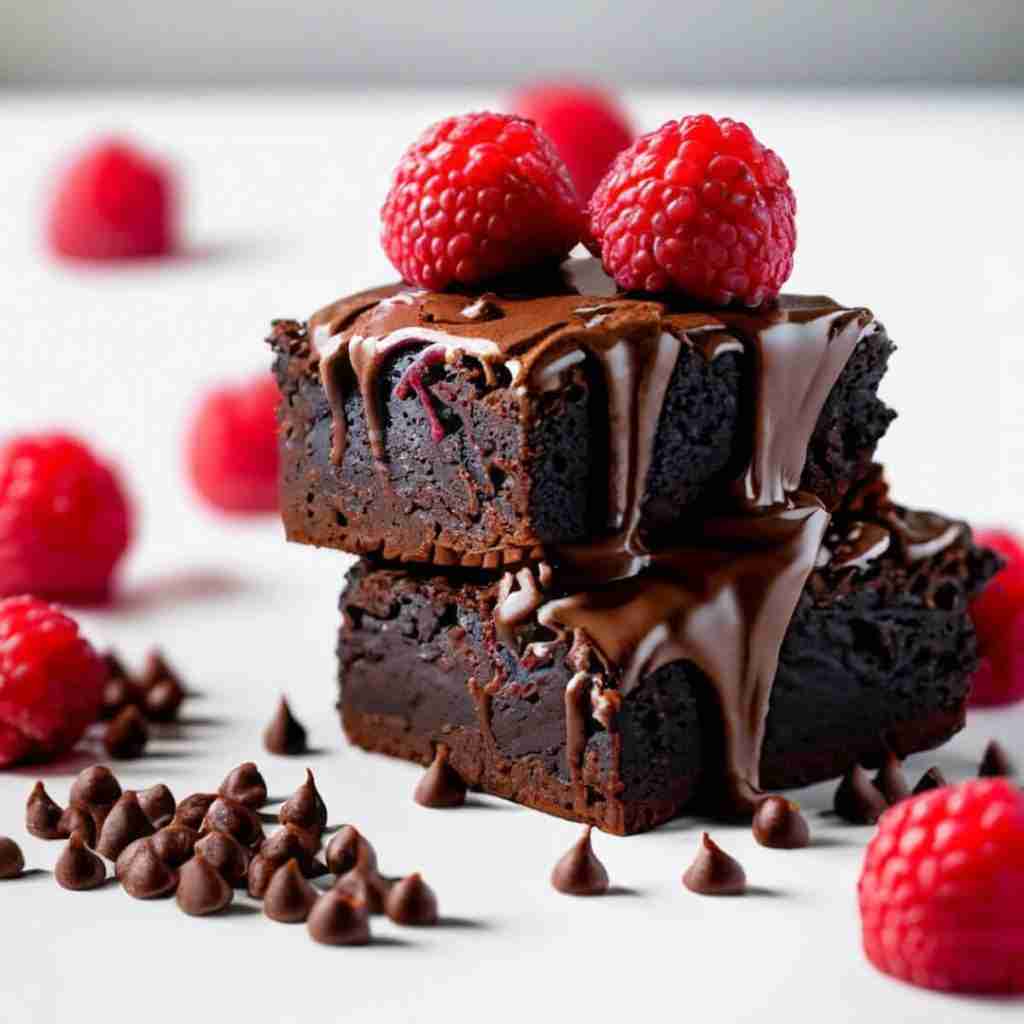
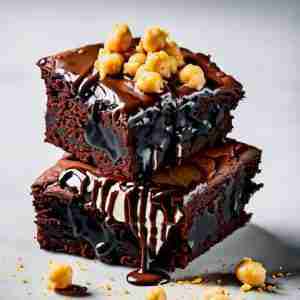
Chickpea flour brownies sweetened with monk fruit allulose blend.
The DIFFERENT TYPES of Monk Fruit Sweetener
You can buy the various types of monk fruit sweetener with or without erythritol. Monk fruit allulose blend is the one that doesn’t contain erythritol.
Classic White Monk Fruit Sweetener
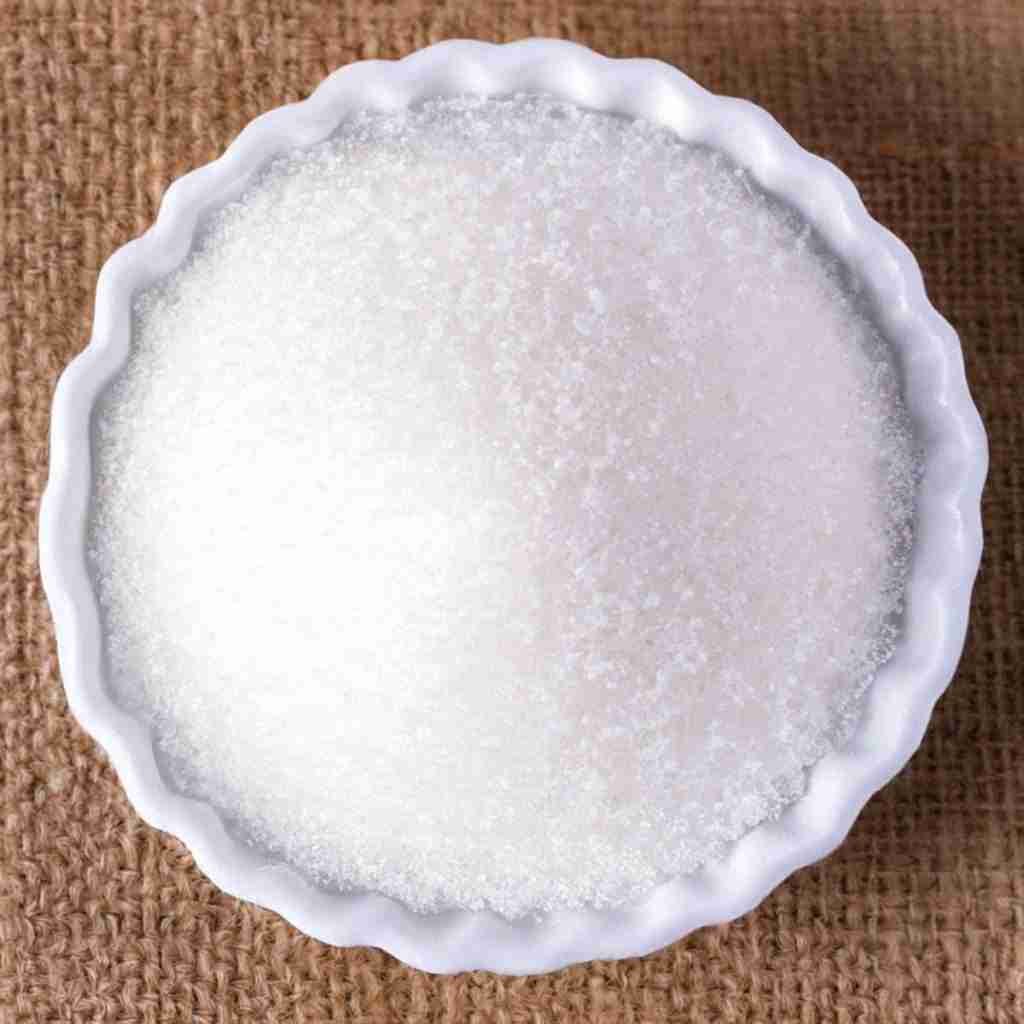
White monk fruit is a one to one sugar replacement for white sugar.
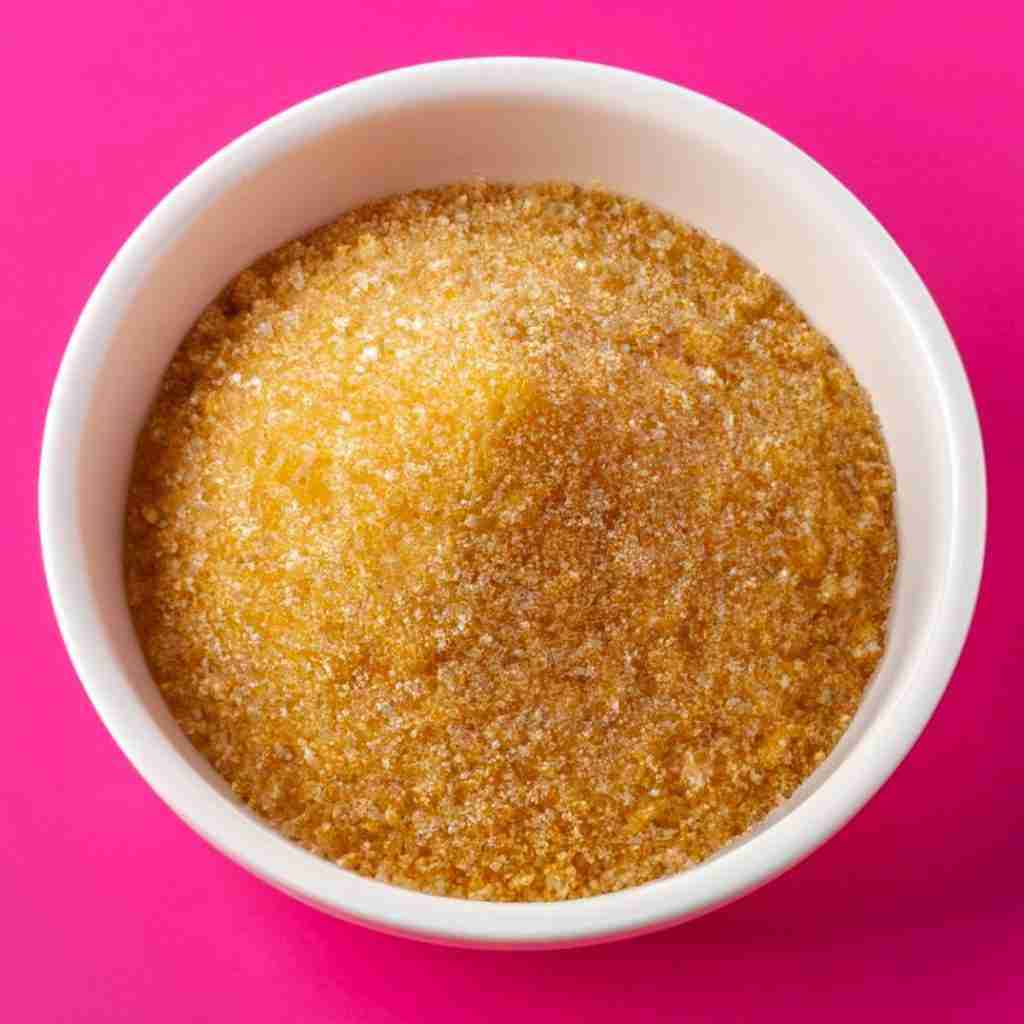
Golden Brown Monk Fruit Sweetener
Have you ever wondered how manufacturers make golden monk fruit, the one to one brown sugar replacement? Lakanto, for example, produces two levels of mogroside concentration during the extraction process: 30% and 50%.
The 30% concentration is used in golden monk fruit and gives it its maple tones. The 50% concentration, on the other hand, is used in classic white monk fruit.
Powdered Monk Fruit Sweetener
If you don’t have powdered monk fruit handy, you can always make your own. Just pulverize granulated monk fruit into a fine powder in a food processor or blender. Make sure no granules remain.
100% PURE Granulated Monk Fruit Sweetener without Erythritol
You can buy pure granulated monk fruit sweetener but it’s super sweet and not a one to one sugar replacement.
I haven’t tried pure monk fruit yet since I prefer a one to one sugar replacement for baking. I have heard, however, that pure monk fruit has a slight aftertaste when used in beverages like coffee.
Liquid Monk Fruit Extract Drops
Made from monk fruit extract and purified water, you’ll also find flavored versions such as lemon and vanilla. These drops are ideal for beverages such as sparkling water, tea or coffee.
The sweetness level of monk fruit extract drops varies by brand.
Can You Buy THE ACTUAL FRUIT?
DRIED MONK FRUIT is available in the US
In the United States, I have only seen dried monk fruit. For instance, in San Francisco, I buy it in my local Chinese herb store where it’s known as luo han guo.
If you head to a Chinese herb store, be sure to say you’re looking for luo han guo. I mention this because my local herb shop hadn’t heard of “monk fruit” before but they knew exactly what luo han guo was.
The Chinese, by the way, use dried monk fruit to make monk fruit tea. Known for its health benefits, you can treat ailments like colds and sore throats with monk fruit tea.
How Do You Make MONK FRUIT TEA from Dried Monk Fruit?
Just crack open a dried monk fruit. Then, put all the dried fruit – plus the cracked shell – into a pot. Add some water, boil and simmer for at least 15 minutes.
For stronger flavor, seep for an hour or longer to bring out the tea’s natural sweetness. Then strain to remove the dried fruit and enjoy.
What Does Monk Fruit Tea Taste Like?
Surprise: Monk fruit tea doesn’t look or taste like the white granulated monk fruit sweetener you buy in stores. Monk fruit tea is, in fact, a deep, beautiful shade of Kahlua brown and the rich, sweet flavor is reminiscent of caramel.
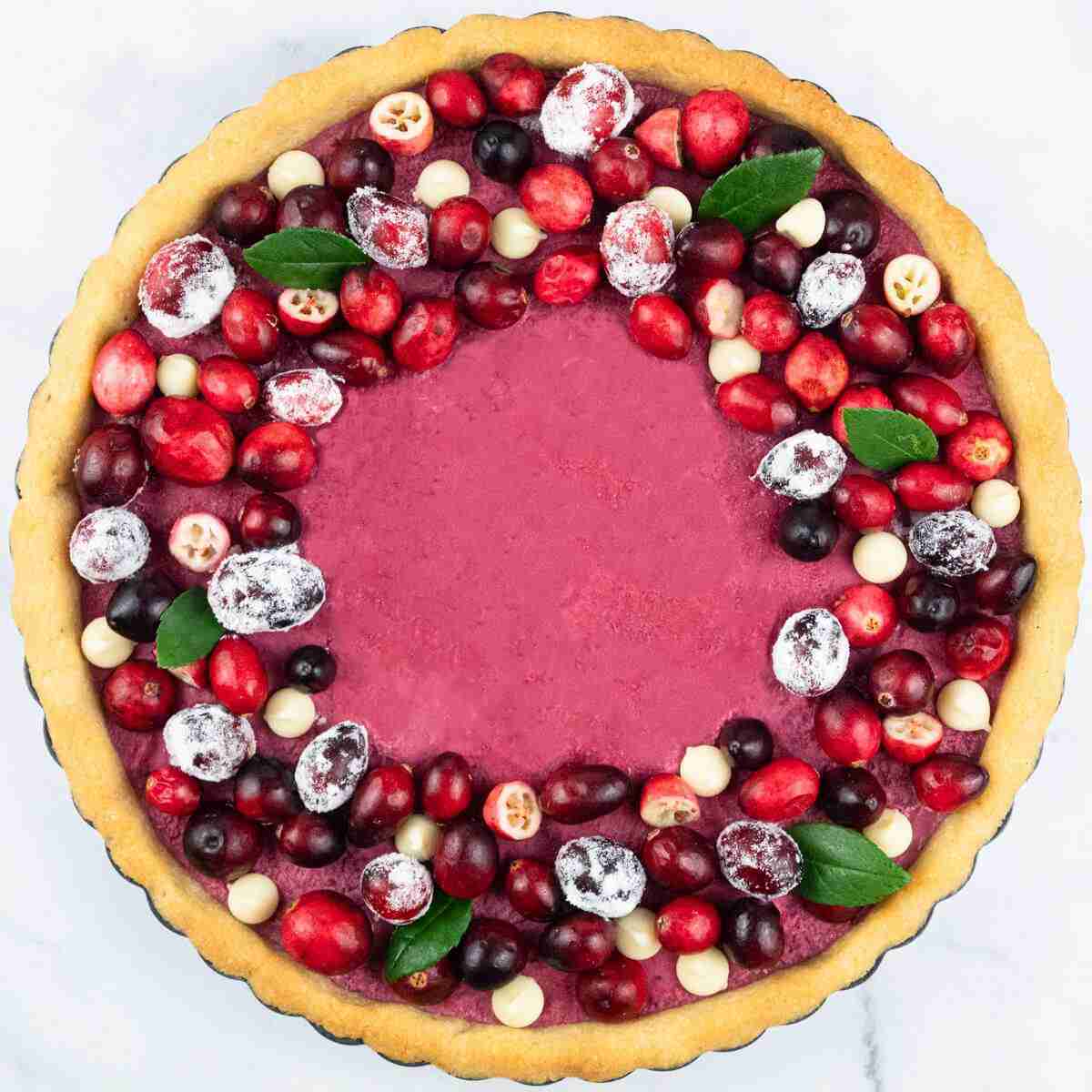
The viral New York Times Cranberry Tart recipe goes keto in this monk fruit sweetened version.
FAQs about Monk Fruit without Erythritol
The best monk fruit sweetener without erythritol is the monk fruit allulose blend which is made by several brands.
To process monk fruit into sweetener, manufacturers remove the peel and seeds. Then, they crush the fruit. Next, they filter and extract the sweet part into liquid.
Monk fruit allulose blend is a teeny bit less sweet than monk fruit erythritol blend.
There are a few different brands on the market that make monk fruit allulose blend. I recommend trying several and finding your favorite.
Yes, opt for monk fruit allulose blend which is considered safe. There are also liquid monk fruit extract drops that don’t contain erythritol.
Monk fruit sweetener will not break a fast since it does not contain any calories or carbs.
Yes, from time to time Costco sells monk fruit sweetener blends made by different manufacturers.
No, Kirkland does not make monk fruit sweetener, but their almond flour is excellent.
Just visit my monk fruit simple syrup recipe, where you’ll find instructions to make natural or lemon monk fruit simple syrup.
Conclusion: Embracing the Sweetness of Monk Fruit without Erythritol
From sweet tooth to health expert, monk fruit allulose blend is the perfect baking alternative for those looking to satisfy their sweet tooth without erythritol.
You’ll find plenty of healthy sugar free recipes here too!

Meet Cathy
LOOKING FOR MORE MONK FRUIT RECIPES?
You’ll find plenty of monk fruit recipes to enjoy!


Leave a Reply